
Data Catalog Example
Data Catalog Example - A data catalog is like a detailed map for all the data in an organization. Commercial and open source offerings are. Let’s spotlight two companies to see how implementing a data catalog can enhance an organization’s data management practices: What is a data catalog? A data catalog is the inventory of all data assets in an organization that helps data professionals find the most relevant data for any analytical or business purpose. A data catalog provides a detailed description of what data contains and what a business uses it for. Roughly there are 4 main categories of data catalogs. A data catalog can automatically enrich data assets with additional metadata, such as data quality metrics, data lineage information, or recommendations for related data sources. Airbnb created a data catalog called dataportal to try to solve their challenge of scattered, siloed data across its vast global operations. It also allows businesses to differentiate many similar pieces of data and speed up any process relating to retrieving and using data—especially in enterprise environments. It also allows businesses to differentiate many similar pieces of data and speed up any process relating to retrieving and using data—especially in enterprise environments. Much like a library catalog that indexes books, a data catalog indexes an organization’s data assets and key information about them. Let’s spotlight two companies to see how implementing a data catalog can enhance an organization’s data management practices: It serves as an inventory of data and provides the necessary information to evaluate the fitness of. In this article, we explore how to build a data catalog effectively. A data catalog is the inventory of all data assets in an organization that helps data professionals find the most relevant data for any analytical or business purpose. Airbnb created a data catalog called dataportal to try to solve their challenge of scattered, siloed data across its vast global operations. A data catalog provides a detailed description of what data contains and what a business uses it for. A data catalog can automatically enrich data assets with additional metadata, such as data quality metrics, data lineage information, or recommendations for related data sources. Commercial and open source offerings are. Learn more about the data catalog uses cases that improve your data management processes. The goal is to turn scattered data into a searchable inventory of assets, so users spend. It serves as an inventory of data and provides the necessary information to evaluate the fitness of. Roughly there are 4 main categories of data catalogs. Data catalogs provide advanced. A data catalog is like a detailed map for all the data in an organization. Learn more about the data catalog uses cases that improve your data management processes. Roughly there are 4 main categories of data catalogs. It also allows businesses to differentiate many similar pieces of data and speed up any process relating to retrieving and using data—especially. Much like a library catalog that indexes books, a data catalog indexes an organization’s data assets and key information about them. A data catalog is like a detailed map for all the data in an organization. Let’s spotlight two companies to see how implementing a data catalog can enhance an organization’s data management practices: In this article, we explore how. It serves as an inventory of data and provides the necessary information to evaluate the fitness of. Data catalogs provide advanced search and filtering capabilities that allow you to efficiently locate datasets and perform data analytics or engineering tasks. It also allows businesses to differentiate many similar pieces of data and speed up any process relating to retrieving and using. Learn more about the data catalog uses cases that improve your data management processes. What is a data catalog? A data catalog is a detailed inventory of all data assets in an organization, designed to help data professionals quickly find the most appropriate data for any analytical or business purpose. The goal is to turn scattered data into a searchable. A data catalog is a detailed inventory of all data assets in an organization, designed to help data professionals quickly find the most appropriate data for any analytical or business purpose. Commercial and open source offerings are. A data catalog provides a detailed description of what data contains and what a business uses it for. A data catalog can automatically. A data catalog is like a detailed map for all the data in an organization. Data catalogs provide advanced search and filtering capabilities that allow you to efficiently locate datasets and perform data analytics or engineering tasks. Commercial and open source offerings are. It also allows businesses to differentiate many similar pieces of data and speed up any process relating. It serves as an inventory of data and provides the necessary information to evaluate the fitness of. A data catalog provides a detailed description of what data contains and what a business uses it for. Data catalogs provide advanced search and filtering capabilities that allow you to efficiently locate datasets and perform data analytics or engineering tasks. Roughly there are. Commercial and open source offerings are. A data catalog is a detailed inventory of all data assets in an organization, designed to help data professionals quickly find the most appropriate data for any analytical or business purpose. A data catalog can automatically enrich data assets with additional metadata, such as data quality metrics, data lineage information, or recommendations for related. A data catalog is the inventory of all data assets in an organization that helps data professionals find the most relevant data for any analytical or business purpose. What is a data catalog? The goal is to turn scattered data into a searchable inventory of assets, so users spend. Learn more about the data catalog uses cases that improve your. In this article, we explore how to build a data catalog effectively. Much like a library catalog that indexes books, a data catalog indexes an organization’s data assets and key information about them. It serves as an inventory of data and provides the necessary information to evaluate the fitness of. Data catalogs provide advanced search and filtering capabilities that allow you to efficiently locate datasets and perform data analytics or engineering tasks. Learn more about the data catalog uses cases that improve your data management processes. Let’s spotlight two companies to see how implementing a data catalog can enhance an organization’s data management practices: A data catalog can automatically enrich data assets with additional metadata, such as data quality metrics, data lineage information, or recommendations for related data sources. What is a data catalog? A data catalog is like a detailed map for all the data in an organization. What is a data catalog? A data catalog is a detailed inventory of all data assets in an organization, designed to help data professionals quickly find the most appropriate data for any analytical or business purpose. The goal is to turn scattered data into a searchable inventory of assets, so users spend. A data catalog provides a detailed description of what data contains and what a business uses it for. Airbnb created a data catalog called dataportal to try to solve their challenge of scattered, siloed data across its vast global operations.
What is a data catalog? LightsOnData
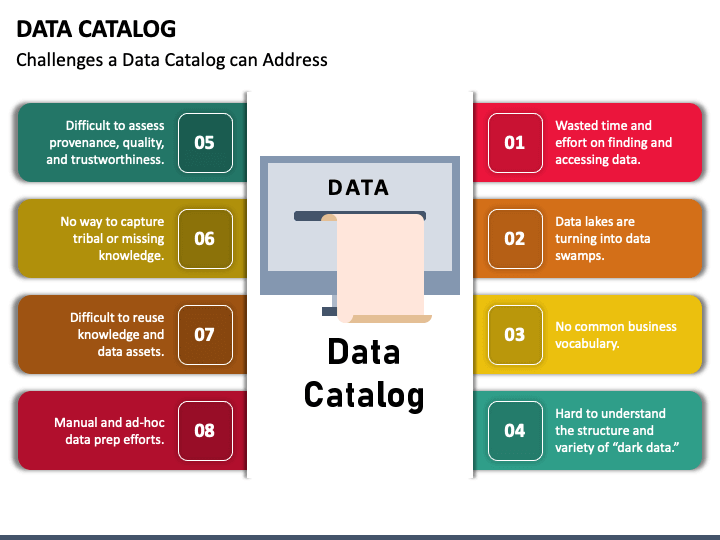
Data Catalog Template

Data Catalog Template Excel
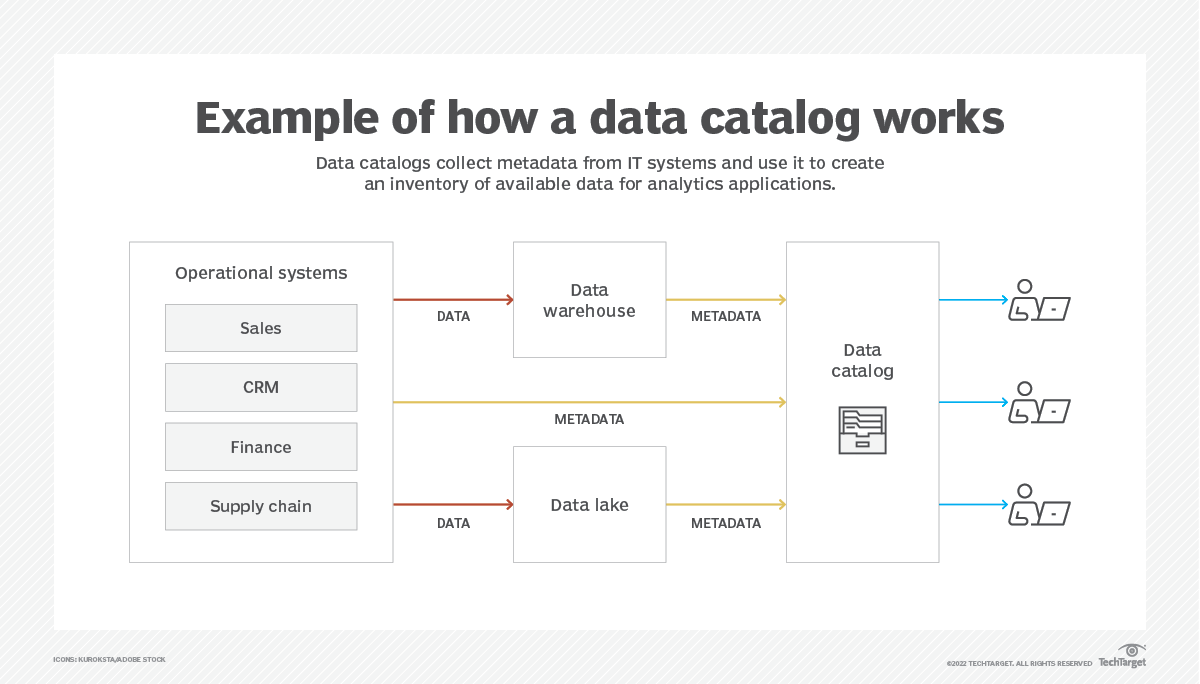
What is a Data Catalog? Uses, Benefits and Key Features TechTarget
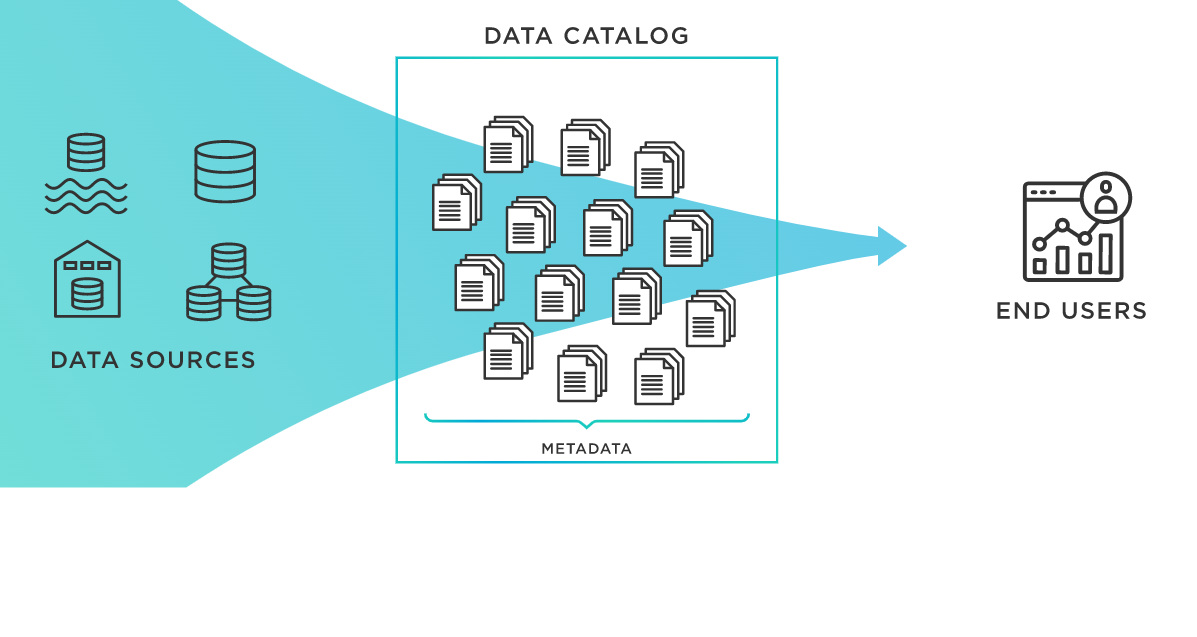
Data Catalog Concepts, Tools & Examples Analytics Yogi
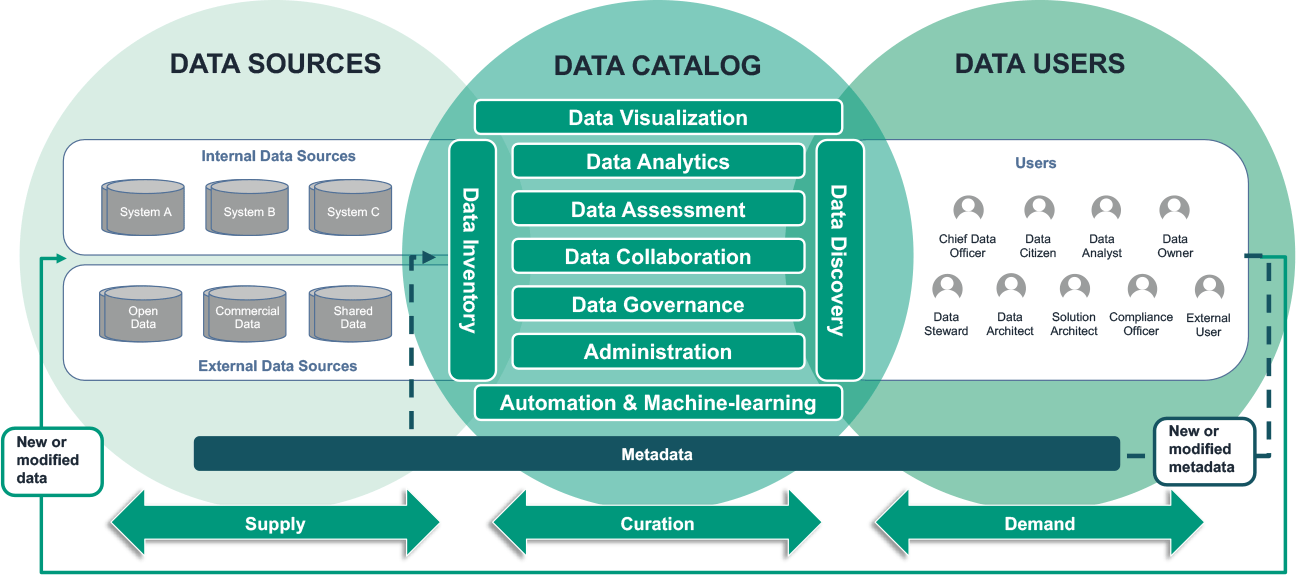
Data Catalog Reference Model & Market Study CDQ
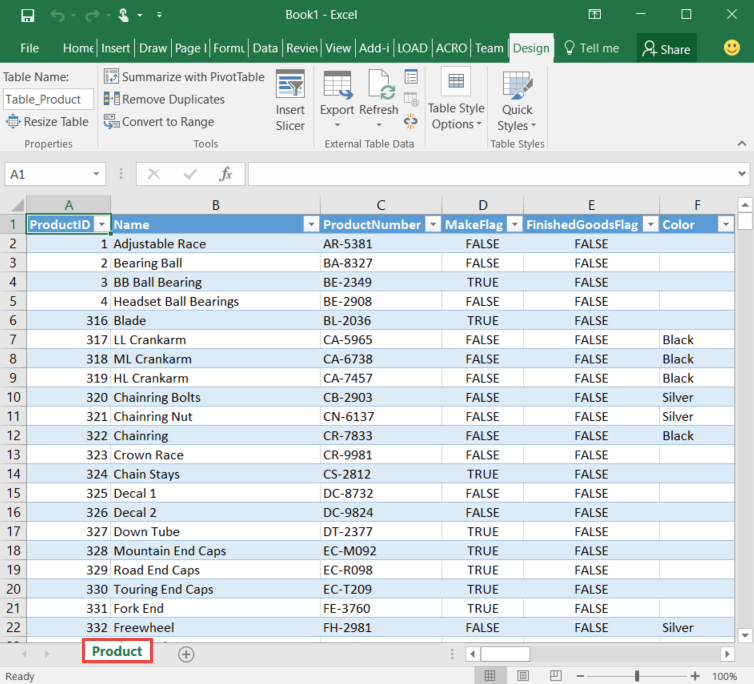
Data Catalog Template Excel
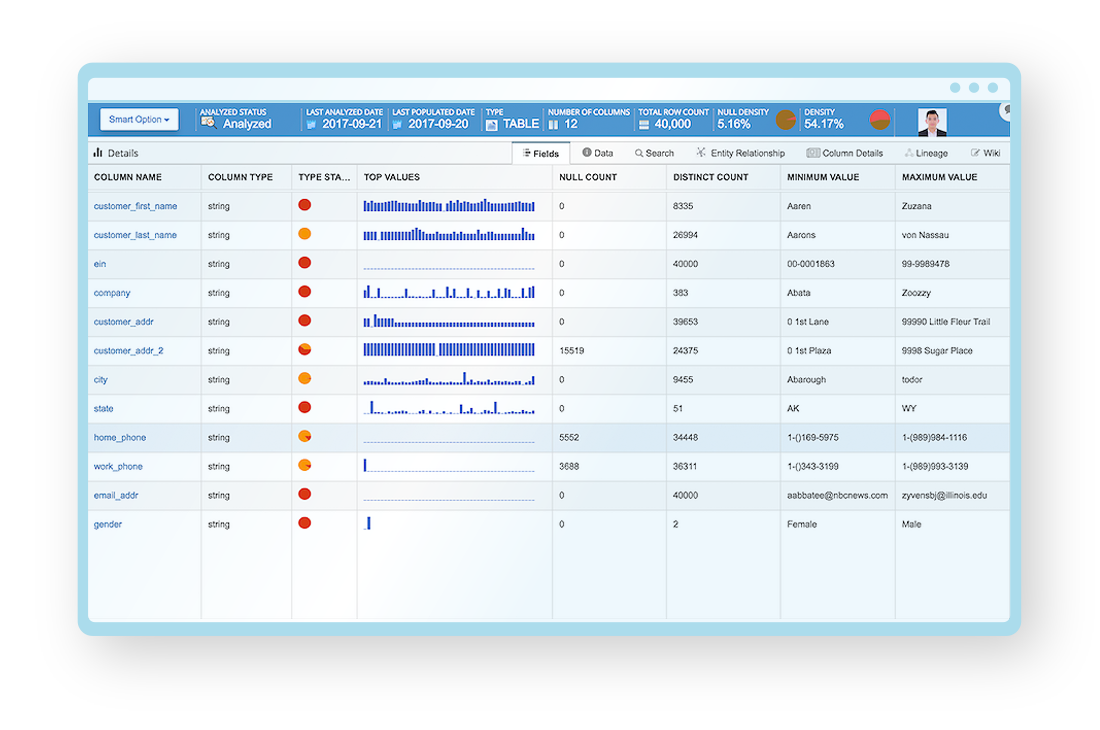
Build your data catalog quickly with this stepbystep guide
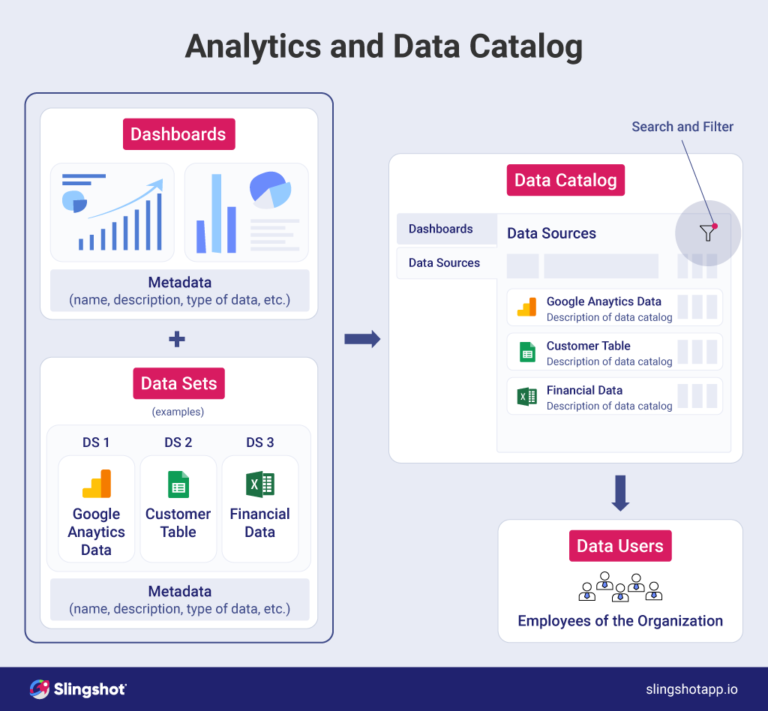
What Is A Data Catalog & Why Do You Need One?

What is a data catalog? LightsOnData
Roughly There Are 4 Main Categories Of Data Catalogs.
Commercial And Open Source Offerings Are.
A Data Catalog Is The Inventory Of All Data Assets In An Organization That Helps Data Professionals Find The Most Relevant Data For Any Analytical Or Business Purpose.
It Also Allows Businesses To Differentiate Many Similar Pieces Of Data And Speed Up Any Process Relating To Retrieving And Using Data—Especially In Enterprise Environments.
Related Post: